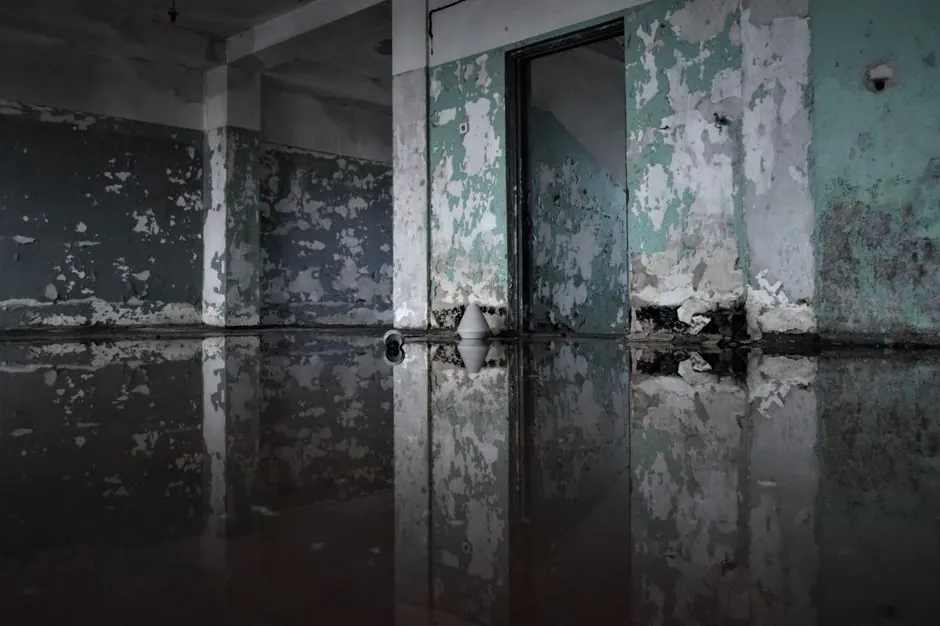
Mold can be a serious problem in crawl spaces, especially in San Diego's humid climate. Removing mold from crawl spaces in San Diego requires a systematic approach to ensure that the issue is addressed effectively. In this guide, we will explore the causes of mold growth, how to identify it, and the steps you can take to remove it safely and effectively.
Understanding Mold Growth
Mold thrives in damp, dark environments, making crawl spaces a prime location for its development. In San Diego, where the coastal climate brings humidity, it's crucial to understand the conditions that lead to mold growth. Mold spores are present in the air and can settle in areas with excess moisture, organic material, and poor ventilation.
Signs of Mold in Crawl Spaces
Identifying mold in your crawl space early can prevent more extensive damage. Look for:
- Visible mold patches on surfaces
- A musty odor that permeates your home
- Condensation on pipes or walls
- Water stains or discoloration on walls
- Increased allergy symptoms among household members
Steps to Remove Mold from Crawl Spaces
To effectively remove mold from crawl spaces in San Diego, follow these steps:
1. Prepare the Area
Before starting the removal process, ensure you have the right protective gear, including gloves, goggles, and a mask. Seal off the crawl space from the rest of the house to prevent spores from spreading.
2. Identify and Fix Moisture Sources
Address any leaks or water intrusion issues. This may involve repairing plumbing, improving drainage, or installing a sump pump. Without addressing the moisture source, mold will likely return.
3. Remove Contaminated Materials
Discard any materials that are heavily infested with mold, such as insulation or wood. Be sure to bag these materials and dispose of them properly to avoid further contamination.
4. Clean Surfaces
Use a mixture of water and detergent to scrub non-porous surfaces. For porous materials, such as wood, consider using a specialized mold removal solution. Remember to follow the manufacturer's instructions on any products used.
5. Dry the Area
Once cleaned, ensure the crawl space is thoroughly dried. Use fans or dehumidifiers to reduce moisture levels. This step is crucial to prevent mold from returning.
6. Apply Mold Inhibitors
After cleaning and drying, consider applying a mold inhibitor to surfaces. This can help prevent future mold growth and provide an extra layer of protection.
Common Mistakes to Avoid
When removing mold from crawl spaces, avoid these common mistakes:
- Not addressing moisture sources before cleaning
- Using bleach, which may not effectively kill mold spores
- Failing to wear proper protective gear
- Neglecting to ventilate the area during and after cleanup
When to Call a Professional
If the mold covers a large area (greater than 10 square feet), or if you have health concerns, it's best to contact a professional. Services like Mold Remediation San Diego CA are equipped to handle extensive mold issues safely and effectively.
Frequently Asked Questions
What is the best way to remove mold from crawl spaces in San Diego?
The best approach involves identifying moisture sources, removing contaminated materials, cleaning surfaces, and ensuring proper drying.
How can I prevent mold growth in crawl spaces in San Diego?
Prevent mold growth by maintaining low humidity levels, ensuring proper ventilation, and sealing any leaks or cracks in the foundation.
What should I do if I find mold in my crawl space in San Diego?
Take immediate action by assessing the extent of the mold, addressing moisture issues, and cleaning or removing affected materials.
Can I remove mold from crawl spaces myself?
While small areas can be addressed by homeowners, larger infestations or those causing health concerns should be handled by professionals.
Get help with Mold Remediation in San Diego
If you're facing mold issues in your crawl space, don't hesitate to reach out for assistance. Contact us at Mold Remediation San Diego for expert help in resolving your mold problems.